
Why Reactive Maintenance Is Expensive
Many plants still wait for a motor, pump, blower, or conveyor to fail before acting. That approach increases emergency labor, spare usage, product loss, and production pressure.
Predictive maintenance changes the model. Instead of waiting for failure, the plant uses data to identify early warning signals and schedules action before a shutdown occurs.
What Predictive Maintenance Actually Means
Predictive maintenance is the practice of using operating data to estimate equipment condition and failure risk.
That data can come from:
- Motor current
- Drive faults
- Bearing temperature
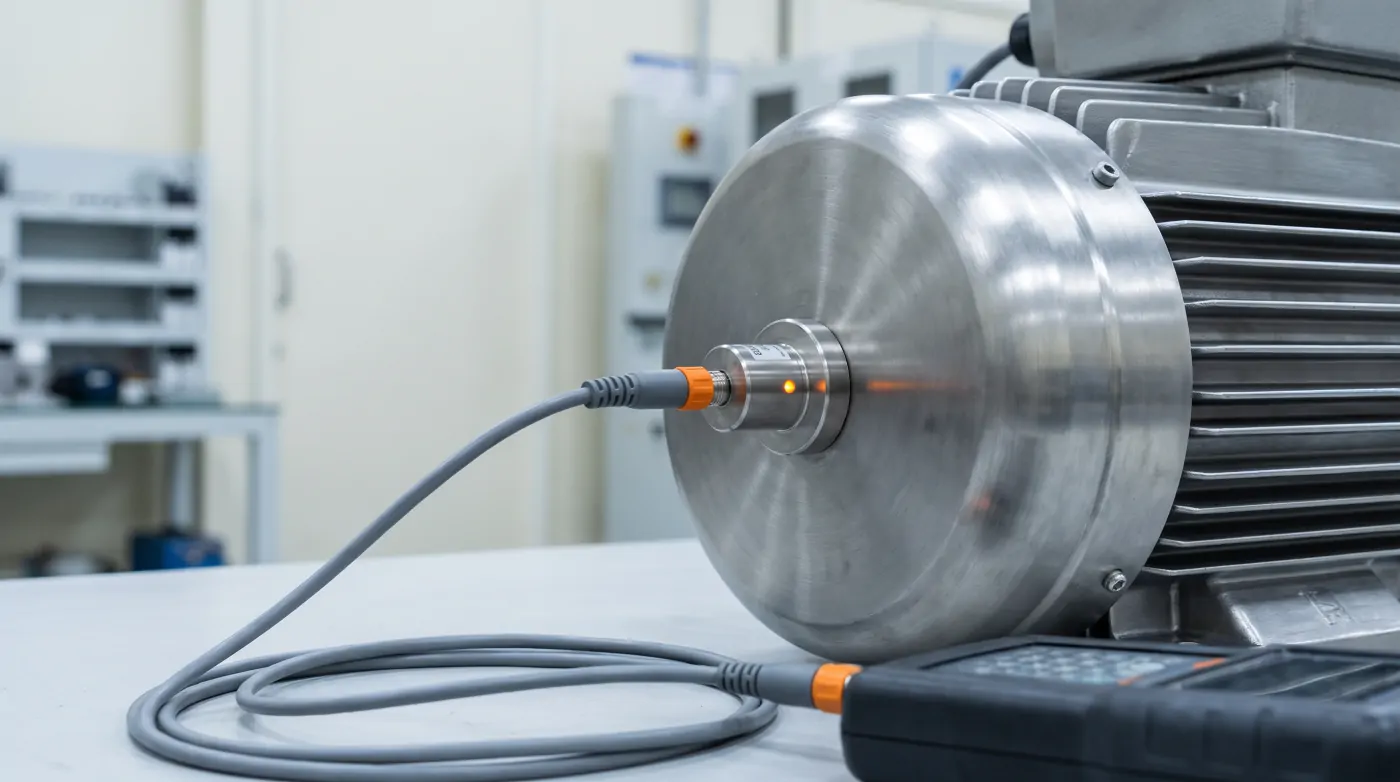
- Vibration sensors
- Run hours
- Pressure and flow deviations
- Alarm frequency
- Operator intervention patterns
When these values are tracked over time, maintenance teams can detect drift long before a machine reaches failure.
Where Automation Helps
Industrial automation provides the infrastructure needed for predictive maintenance.
PLC Layer
The PLC collects process values, runtime counters, fault bits, and machine states.
SCADA Layer
SCADA turns those values into trends, alarm history, dashboards, and reports. This is why predictive projects often become much easier once a plant has a strong SCADA System Guide for Modern Industrial Monitoring foundation.
Drive and Motor Data
Modern drives provide useful maintenance indicators such as current imbalance, overload trips, heat events, and runtime. Plants already reviewing drive savings should also look at maintenance insights from VFD Energy Saving in Industrial Plants.
Common Predictive Maintenance Use Cases
Pump and Fan Systems
Changes in current, pressure, and vibration often indicate blockages, cavitation, or bearing wear.
Conveyor Systems
Repeated overloads, slip events, or delayed travel can show belt tension issues or mechanical drag.
Textile Machines
Automation can identify abnormal yarn break frequency, drive overload patterns, and temperature variation before major output loss occurs.
Boilers and Burners
Combustion instability, fan degradation, or valve timing drift can often be detected from trend data and sequence diagnostics.
What to Track First
Plants starting small should focus on assets that cause the highest downtime cost.
Track:
- Critical asset list
- Run hours
- Trips per week
- Maintenance history
- Current and load trends
- Temperature and vibration where available
Even a simple PLC-based runtime and fault counter strategy creates a stronger maintenance program than relying only on operator memory.
Implementation Checklist
- Identify the top five equipment groups causing losses.
- Confirm which values already exist in the PLC or drive.
- Add missing sensors only where the risk justifies them.
- Standardize alarm and runtime tags.
- Build trend screens and exception reports.
- Define what action is triggered by each warning condition.
The Biggest Mistake to Avoid
Do not collect data without defining decisions. A predictive program only works when each trend or alert has an operational response such as inspection, lubrication, alignment, part replacement, or process correction.
Final Takeaway
Predictive maintenance is not only about advanced analytics. It starts with structured automation data, reliable tags, and disciplined response rules.
Plants that combine PLC diagnostics, SCADA trends, and maintenance planning usually see lower breakdown risk, better spare planning, and more stable production.
Related Articles
Explore more technical guides from our automation knowledge base.